light-header


 Pottery Recipes Book by Staffordshire Potter Thomas Lakin, by Edward Baines
ebook
SECTION I. Receipts for superior and common Bodies of Porcelain, Earthenware, vitrious and porous Bodies, with various coloured Drabs
SECTION II. Receipts for superior and common Glases of Poreelain, Iron Stone, Earthenware, and varioua coloured Drabs
SECTION Ill. Receipts for Enamel Colours, and Colours under Glase, burnished Gold, and Lustres ; printed Blue, Brown, and Mulberry, with various Fluxes, Solutions, and Oxides
SECTION IV. Receipts for preparing Zaffre and Cobalt Blue, with the Processes of Smelting, Refining, and Calcining
SECTION V. Introduction to Painting and Staining GIass
Receipts for Stains and Enamel Colours for Painting Glass, with the Process of Etching and Coating Glass
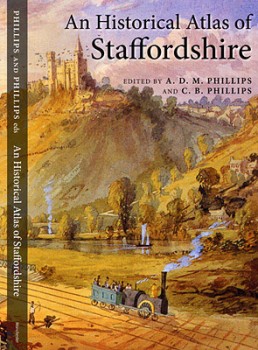 An Historical Atlas of Staffordshire Phillips, A.D.M. and Phillips, C.B. (editors)
Within its ancient boundaries, Staffordshire is a county of diverse and contrasting historic landscapes. The two major contributions of the Black Country and the Potteries that now dominate the county co-exist with smaller towns that in their day had similar standing as centres of the Mercian state. The county's world-renowned industrial complexes based on ceramics and the metalware trades, products of the industrial revolution and before, sit alongside agricultural systems embracing both arable and grassland specialisms. In the built environment, castles rub shoulders with the meanest of urban-industrial housing, and religious expressions range from the cathedral centre of a vast diocese, through the austere surroundings of Mow Cop, the birthplace of primitive Methodism, to the humble and ubiquitous well-dressing ceremonies. The overtly planned landscapes of Needwood Forest and the gardens of Alton Towers mingle with the seemingly natural appearances of the uplands of the Moorlands and the heathlands of Cannock Chase. These many and varied landscapes are both products and reflections of a multiplicity of histories. More information.
Rich with content for ceramic collectors, researchers, authors, curators, and historic archaeologists, the sites are sure to deliver value for their visitors. The exhibition’s curators continue to enhance them and, now, with site application upgrades, including a new magnification feature and upgraded content management capabilities, the TCC and its collaborators are pleased to relaunch these exhibits, all free to a worldwide audience.
Branded Patriotic America, debuted in 2014 in collaboration with Historic New England, and the Winterthur Museum
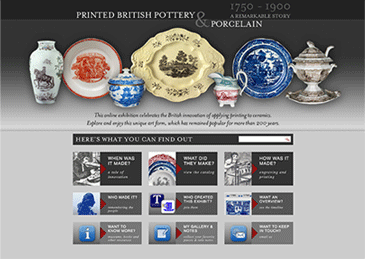
Launched in 2015 in partnership with the Northern Ceramic Society.
 Not a member but want to receive email updates?